Renault Kwid EV : I’ve been following the electric vehicle buzz in India closely, and the Renault Kwid EV has me genuinely excited.
This little hatchback could shake up the budget EV market when it lands here soon, making green driving accessible for everyday folks like us navigating city traffic.
Spy Shots Spark Buzz in Chennai Streets
Word on the street – or rather, on Indian roads – is that the Kwid EV has been caught testing multiple times.
Spy images from Chennai show a heavily camouflaged test mule on a flatbed, with telltale signs like no exhaust pipe, a sealed front grille hiding what looks like a charging port under the Renault logo, and those sharp Y-shaped LED taillights peeking through.
It’s built on the proven Dacia Spring platform that’s already winning hearts in Brazil and Europe, but tuned for our pothole-ridden streets and humid weather.
Renault’s been tight-lipped, but these sightings scream that production at their Oragadam plant in Chennai is ramping up fast.
Powertrain That Packs a Punch for City Runs
Under the hood, expect a 26.8 kWh lithium-ion battery paired with a frunk-friendly 65 hp electric motor churning out 113 Nm of torque – peppy enough for zipping through Mumbai or Delhi snarls without breaking a sweat.
Renault claims around 225-250 km of real-world range on a single charge, perfect for daily commutes or weekend errands without range anxiety nagging at you. Acceleration from 0-100 km/h in under 14 seconds keeps it fun, and top speed hovers near 130 km/h.
Charging? A home 7 kW AC wallbox fills it overnight, while a 30 kW DC fast charger juices it from 20-80% in just 45 minutes – no more loitering at malls.
Design Refresh with EV Flair
The Kwid EV keeps the familiar boxy charm we love but gets an EV makeover. Up front, split LED headlights sit low on the bumper with slim DRLs above, and that closed grille gives it a sleek, aero-efficient vibe.
Sides stay rugged with black cladding and steel wheels for now (alloy upgrades likely in top trims), plus a rear wiper for monsoon drives.
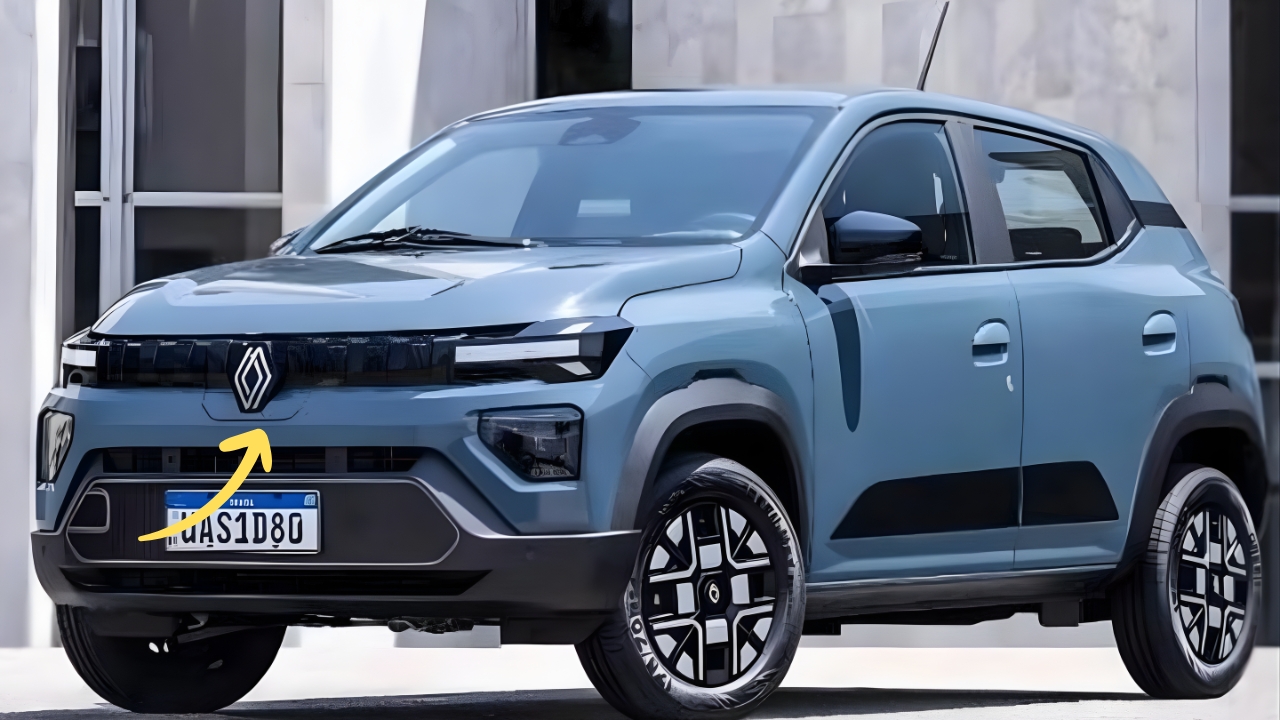
Those Y-shaped taillamps and a subtle roof spoiler add a modern edge without screaming “look at me.” Overall length around 3.7 meters means easy parking in tight spots, and it’s got that high 180 mm ground clearance for speed breakers.
Cabin Upgrades for Everyday Comfort
Step inside, and it’s a step up from the regular Kwid. A massive 10.1-inch touchscreen dominates the dash, running wireless Android Auto and Apple CarPlay for your Spotify jams or Google Maps detours.
Pair it with a 7-inch digital driver’s display showing battery stats, range predictions, and eco-driving tips. All-four power windows, cruise control, and even vehicle-to-load (V2L) tech let you power a laptop or fan from the battery – genius for picnics or outages.
Seats get better fabric, and rear space is surprisingly roomy for four adults, with a 300-liter boot swallowing grocery hauls.
Safety Net Without the Premium Price
Renault isn’t skimping here. Expect six airbags, ABS with EBD, electronic stability control, and hill-hold assist as standard – rare in sub-10 lakh cars.
The big news? Level 2 ADAS suite with adaptive cruise, lane-keep assist, and auto emergency braking, borrowed from pricier siblings.
A 360-degree camera and rear parking sensors make city maneuvering foolproof. With a sturdy chassis and high localization (over 85%), it should ace our crash tests too.
Pricing and Rivals in the Ring
Slated for Q1 2026 launch, the Kwid EV eyes Rs 7.99-9.99 lakh ex-showroom, undercutting many with subsidies pushing on-road under Rs 8 lakh in some states. That pits it against Tata Tiago EV (Rs 8-12 lakh), Citroen eC3, and MG Comet EV.
Renault’s edge? Proven reliability from a million-plus Kwids sold here, plus a 7-year battery warranty likely. Servicing at 500+ touchpoints nationwide seals the deal for fleet buyers and first-timers.
Renault Kwid EV : Why It Matters for India’s EV Dream
In a country where two-wheelers rule and fuel bills bite, the Kwid EV democratizes EVs. Imagine silent starts, zero tailpipe emissions cutting Delhi’s smog, and running costs at Rs 1-2 per km – cheaper than a scooter. Renault’s betting big with local batteries and motors, aligning with our PLI scheme.
Sure, highway range isn’t marathon-level yet, but for urban warriors, it’s spot-on. If it delivers on hype, expect waiting lists stretching months – I know I’d queue up for a test drive.
Also Read This : OnePlus 10T 5G snapdragon processor smartphone with 256GB internal storage
This EV isn’t just another car; it’s Renault reclaiming spotlight in a Tata-dominated EV arena. With whispers of more like Kiger EV following, 2026 feels electric already. Fingers crossed for no delays!